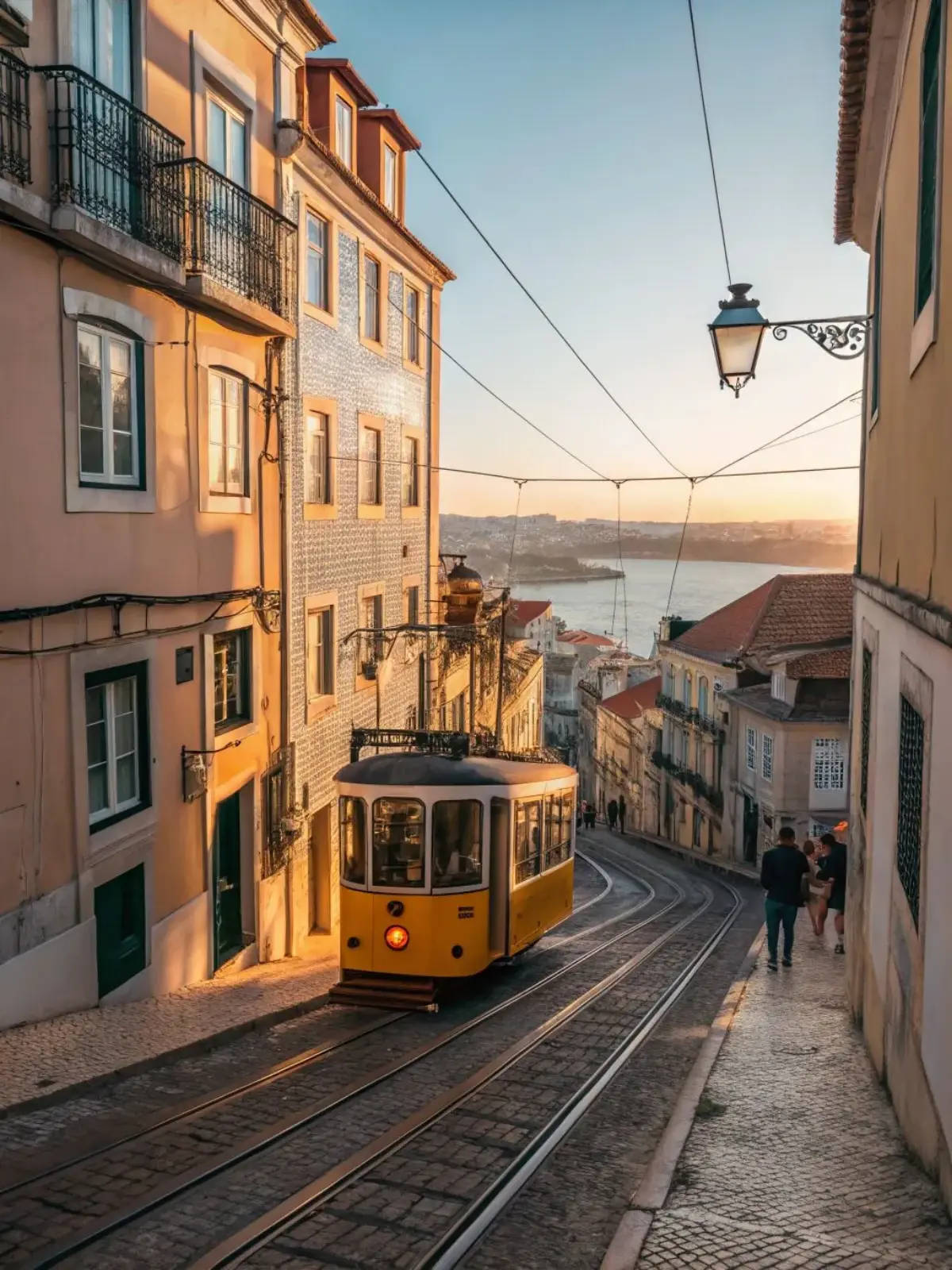



















Spain received 10.3 million international tourists in May 2026, 9.5% more than in May 2025, according to the National Statistics Institute (INE), with the United Kingdom, France and Germany again the largest source markets. The obvious reading is that groups should book earlier. For an operator selling group programmes in Spain, the more useful reading is narrower: record demand removes the slack that the shoulder months used to provide, and that changes how a programme should be built.
The shoulder season used to be the fallback
For years, the standard answer to a tight Spanish summer was to move the group into late spring or early autumn. May now behaves less like a shoulder month and more like the start of peak season, and availability pressure and rate movements can begin in April. When the fallback months fill like peak ones, a programme priced and routed on the assumption of spare capacity has nowhere to go if its first choice is not available. The wider European picture is set out in our reading of Europe's tourism data for group planning; Spain is one of the places where it shows first.
Build the route around the slots, not the slots around the route
In a normal season, the itinerary is drawn first and its components are booked to fit. Under record demand, the components with fixed capacity decide the itinerary. Timed entry to the Alhambra can sell out well in advance, Sagrada Família works on timed slots, and ferry crossings to the Balearics depend on sailings that fill in season. A programme that confirms these first and sequences everything else around them holds up better than one that fixes the route and then looks for entry times that happen to fit. How Sagrada Família group visits are operated shows that slot logic on a single site.
Dates follow the same rule. Barcelona's June calendar can stack major events, as set out in Spain's June 2027 event calendar and what it does to group capacity, and in that case the event dates, not the itinerary, decide where a group can sleep.
Pressure concentrates in three regions; room is often elsewhere
The INE release also shows where the volume lands: Catalonia took 21.1% of May's international tourists, the Balearic Islands 20.6% and Andalusia 15.9%, so three regions absorbed well over half of the month's volume. In practice that means Barcelona, Palma de Mallorca and the Málaga–Costa del Sol corridor, where hotel blocks and coach transfers tighten earlier in the season. Cities outside those three regions generally have more room outside the school holidays, though each date still has to be checked. Valencia, linked to Madrid by high-speed rail, can work as a base with a broad hotel stock, and inland cities such as Zaragoza or Salamanca can carry part of a route that would otherwise sit entirely on the most pressured coast. Moving a base is often a better trade than accepting a weaker hotel in a saturated city.
Calendar levers that still work
Some windows remain more forgiving. October in the south keeps Seville, Córdoba and Granada comfortable for walking programmes. January and February are quiet in Madrid, Valencia and Bilbao: cold, but workable. Holy Week needs care: in 2027 Easter falls in late March, and Semana Santa demand is usually already built into operator programmes across Spanish cities, with rates rising accordingly.
What to settle first
- The capacity-limited components: timed entries, ferry sailings and hotel blocks in the pressured cities.
- Release dates on every hotel block, confirmed in writing rather than assumed.
- An inland alternative for each coastal base, costed before it is needed.
- Rail legs once the fixed points are confirmed, since fare and seat choice depend on when each operator opens sales.
How each of these components behaves through the year is covered in the European group booking calendar. BRACAP is a Barcelona-based DMC and has operated ground programmes in Spain since 2007.
Record demand is not a reason to sell less Spain. It is a reason to sell it with fewer assumptions. If Spain is in your range for 2027, send us the cities, the travel window and the group profile, and we can review which components need to be secured first and where an alternative base could protect the programme.