


The €800 Premium Parents Quietly Accept
Parents often invest significantly more in family trips framed as 'educational'. It is common to see a premium of €600 to €900 per child compared to a standard leisure equivalent. This extra cost typically covers elements such as structured guided time, pre-vetted accommodation, and pre-booked museum entries, all designed to minimise logistical friction and maximise exposure to culture and history.
The appeal often aligns with philosophies like Rick Steves' 'Europe Through the Back Door', which encourages deeper immersion rather than a superficial tour. Parents cite this desire for authentic experience as a core reason for their choices. However, an honest accounting suggests that much of this premium primarily covers risk reduction and operational convenience, rather than a fundamentally different pedagogical approach.
What Parents Say They Want vs. What They Book
There is a discernible gap between the educational goals parents articulate and the itineraries they ultimately book. Stated aspirations frequently include language exposure, a deeper understanding of history, cultural empathy, and fostering independence. These goals align with the broader concept of 'parenting', which aims to promote a child's cognitive, social, and emotional development. Yet, many booked itineraries involve a whirlwind pace, such as Paris-Rome-Florence in nine days, often with three museum visits daily.
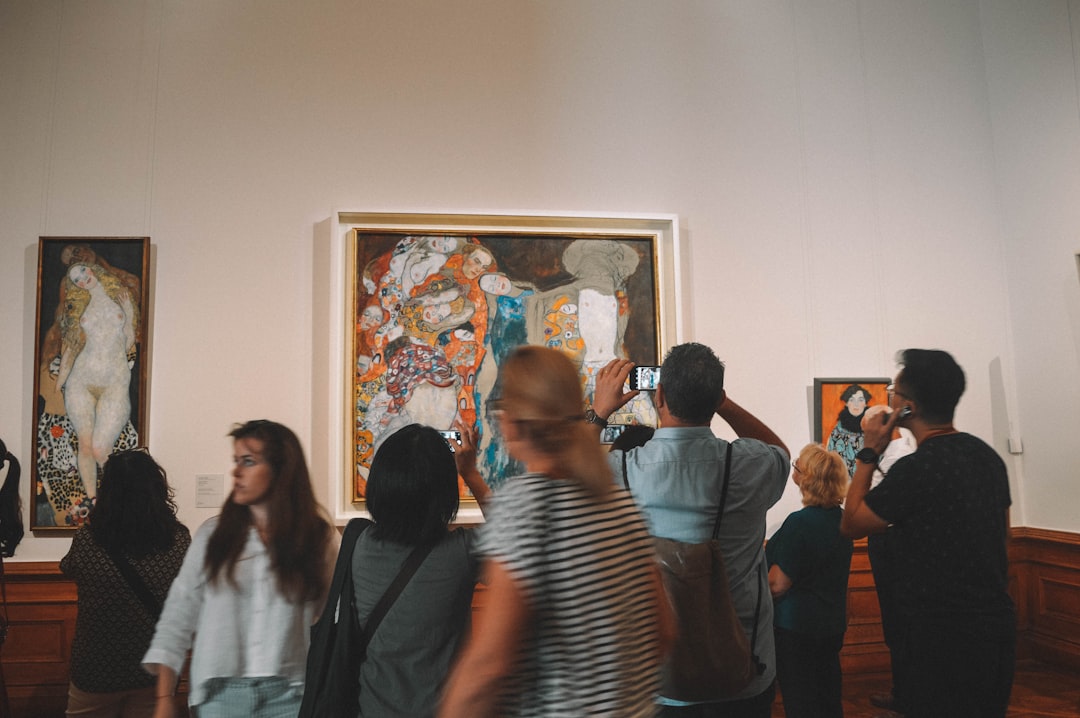
This pacing creates a trap: it is difficult for a 13-year-old to genuinely absorb the Uffizi Gallery in a rushed 90-minute slot. The sheer volume of information and the speed of travel can overwhelm, leading to disengagement rather than the desired intellectual stimulation. Understanding the difference between a custom itinerary and what is operationally viable for family travel can help manage expectations and outcomes.
Where the Learning Actually Happens
The most enduring educational experiences often arise from unstructured moments, not the meticulously planned ones. Consider the difference between ordering coffee and pastries in broken Italian at a Bologna trattoria – an experience that costs only a few euros – versus a guided food tour priced at €75 per person. The former provides practical language application and problem-solving in real-time; the latter, while informative, often lacks the same spontaneous engagement.
Learning can similarly flourish when navigating the Berlin U-Bahn with a paper map for an afternoon, allowing teenagers to practise directional skills and observe local life. Spending half a day exploring a smaller city like Ghent, Porto, or Bergen often yields more memorable insights than a hurried visit to a third major capital. Parents frequently underestimate the value of downtime as a potent vehicle for learning, reflection, and observation, which are crucial for genuine absorption. For more on this approach, consider slow travel to smaller European cities.
Choosing Destinations That Reward Curious Kids
Certain destinations lend themselves particularly well to educational depth without requiring an exhausting museum march. Norway's Bergen Line in June, for instance, offers stunning geographical lessons that a classroom cannot replicate, with second-class tickets typically ranging from NOK 1,200 to 1,500. Similarly, exploring Sweden by train – connecting Stockholm, Gothenburg, and Malmö over seven days without a car – provides an efficient way to understand Scandinavian culture and landscapes, often costing around €90 per adult per day for transport and basic accommodation.
Sicily in May presents a layered historical experience, encompassing Greek, Roman, and Norman influences, all at approximately half the price of an August trip. For first-time teenage travellers, cities like Lisbon and Porto often outperform Madrid, offering an accessible urban experience with distinct cultural flavours and manageable scale. If you are considering a Scandinavian rail adventure, explore some of Norway's best train journeys for independent travellers.
The 11-Month Booking Reality for Family Travel
Planning family trips with an educational slant requires significant lead time, as these journeys compete for the same resources as school groups. European family-friendly hotels, particularly those with quad rooms or connecting options, are often booked 10 to 14 months in advance for peak May-June travel. For Easter and half-term breaks, booking by September of the prior year is advisable; delaying can result in paying 25-40% more for limited availability.
Family rooms, especially those accommodating four beds, are consistently the first inventory to disappear in popular cities such as Florence, Amsterdam, and Edinburgh. Scenic train routes, including the Bernina Express, Flåm Railway, and Glacier Express, often require seat reservations a minimum of 90 days out during the summer months. To secure your preferred dates and avoid inflated pricing, it is essential to plan well in advance, especially for popular periods; Europe's prime booking windows are often tighter than many realise.
Building an Itinerary Your Kids Will Remember in 2035
To create a truly memorable and educational family trip, adopt a '60/40 rule': allocate 60% of your time to structured activities (transit, key sites, perhaps one guided tour), and 40% to unstructured exploration. Instead of trying to visit five cities, select two anchor cities, such as Rome combined with a Tuscan hill town, rather than attempting Rome, Florence, and Venice in a single, rushed itinerary.
Empower teenagers by giving them one navigation task per day, like finding a specific café or purchasing train tickets. This fosters independence and practical skills. Also, budget €40-60 per day per child for spontaneous costs and allow them to manage this spending; it teaches financial literacy and encourages personal choices within boundaries. Before you finalise your booking, draft your itinerary then delete the third city – that is where the most profound learning often lives.


