











The proof-of-learning shift buyers won't say out loud
For operators selling educational travel into UK, Irish and German schools, the RFP increasingly opens not with 'what will they see' but with 'what will they be able to show' — and often, 'who is on the ground handling this'. This subtle but significant change means that parents' conversations can compare tangible deliverables — portfolios, certificates, or specific workshop outputs — rather than just holiday photos.
When parents commit to a premium for an educational trip, repeat bookings increasingly hinge on a demonstrable takeaway. Buyers increasingly ask for written learning objectives before signing off on programmes. This shift is especially visible in STEM, sustainability, and language-immersion programmes, where the acquisition of new skills or knowledge is more readily assessed. For more on what influences parental decisions, you might find our guide to why parents value educational travel experiences insightful.
Workshops over walking tours: where budget is moving
This focus on outcomes is leading to a reallocation of spend within itineraries. Budgets are shifting from generic sightseeing towards interactive, hands-on experiences. For instance, CERN group tours are free, but open for booking only three months ahead, for groups of 12 to 48, so the slot needs to be watched for; ETH Zürich and EPFL Lausanne visits follow their own academic calendars. If you are planning a STEM-focused trip, planning a Switzerland STEM trip yourself offers further detail on these opportunities.
In Berlin, in operators' experience, buyers are moving from broad Cold War walking tours towards Bundestag workshops and Stasi archive sessions. Lisbon buyers are often swapping generic city tours for language-lab half-days. Similarly, hands-on cooking workshops in Tuscany and Bordeaux can work better than winery visits for under-18 groups. As a rule of thumb, buyers increasingly expect hands-on sessions to be built into the programme rather than added as an afterthought. This is what buyers increasingly put in the brief — which means the calendars for CERN or the Bundestag need to sit with whoever runs the programme on the ground, not be discovered after the quote is sent.
Safety documentation is now a purchase filter
Compliance and safety documentation have moved from being a mere tie-breaker to a critical gatekeeper in the procurement process. Many UK, Irish, and German schools expect a written emergency contact protocol, including cover outside office hours, to be provided early — sometimes before a quote is submitted. Coach compliance documentation, including driver hours and vehicle safety checks, is increasingly requested at the Request for Proposal (RFP) stage, not just post-booking.
Buyers also tend to set minimum public liability insurance requirements, and these vary by school, school board and country, so the figure each buyer requires should be checked case by case. Risk assessments are often expected per activity, rather than a broad assessment per trip, reflecting a more granular approach to safety. Operators who cannot produce comprehensive paperwork promptly risk losing the buyer's confidence before the itinerary is read. Understanding these stricter requirements is crucial; you can find more guidance on reducing risk in school travel here.
This is where operators lose deals before the itinerary is even opened — and it's exactly the layer a European ground partner should hand over pre-built, not assemble quote by quote.
Why the booking window closes earlier than buyers expect
Booking lead times are a real constraint. For spring school trips, compliant coaches in high-demand cities tend to be among the first components to tighten, and lead times vary by supplier, destination and season. Group hotels in Berlin for peak spring dates tend to firm up in price the closer the booking sits to departure, and block and release terms are agreed hotel by hotel. Popular museum group slots at institutions like the Louvre, Anne Frank House, and the Reichstag follow each institution's own release calendar rather than a long lead time: the Anne Frank House releases all its tickets every Tuesday at 10:00 for six weeks later, which is why someone has to be watching on the day. The Louvre has its own group reservation rules, including limits on group size, so a larger group may have to split into several bookings; the current conditions should be checked before quoting. The Reichstag is different again: the Bundestag's visitor service asks for participant details to be submitted in advance, which makes it a paperwork lead time rather than a booking-calendar one.
Late bookers can end up paying a premium or being forced to accept substitutions for their preferred activities or accommodation. This underlines the importance of early planning to secure both availability and reasonable pricing. In event windows and high-demand markets, compliant coaches can be among the first components to tighten, which makes early transport booking a priority (see what shapes a group programme's calendar, component by component). An operator quoting off a template lead time, without checking each institution's own release calendar, loses the slot — which is precisely the detail that belongs with the team executing on the ground, not re-discovered RFP by RFP.
Destinations that fit the brief (and ones that don't)
Mapping destinations to these buyer criteria provides clear guidance. Berlin works well for history-with-evidence programmes, with sites like the Bundestag, Sachsenhausen Memorial, and the Topography of Terror offering rich, verifiable learning. Switzerland is especially strong for its STEM proof-of-learning stack, thanks to institutions like CERN, ETH Zürich, EPFL Lausanne, and research facilities at Jungfraujoch. For a deeper dive, consider why Berlin is one of Europe's best cities for educational travel.
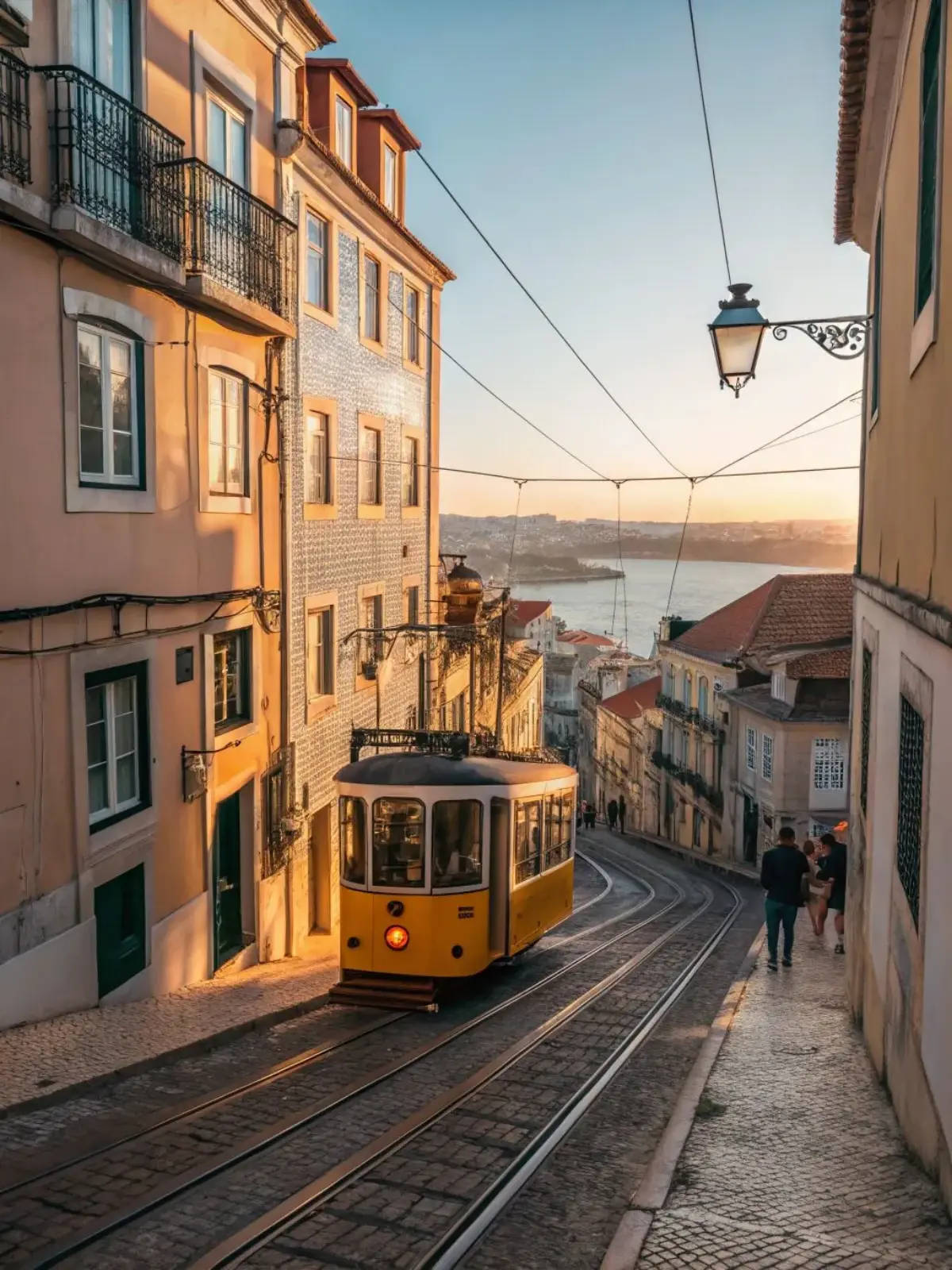
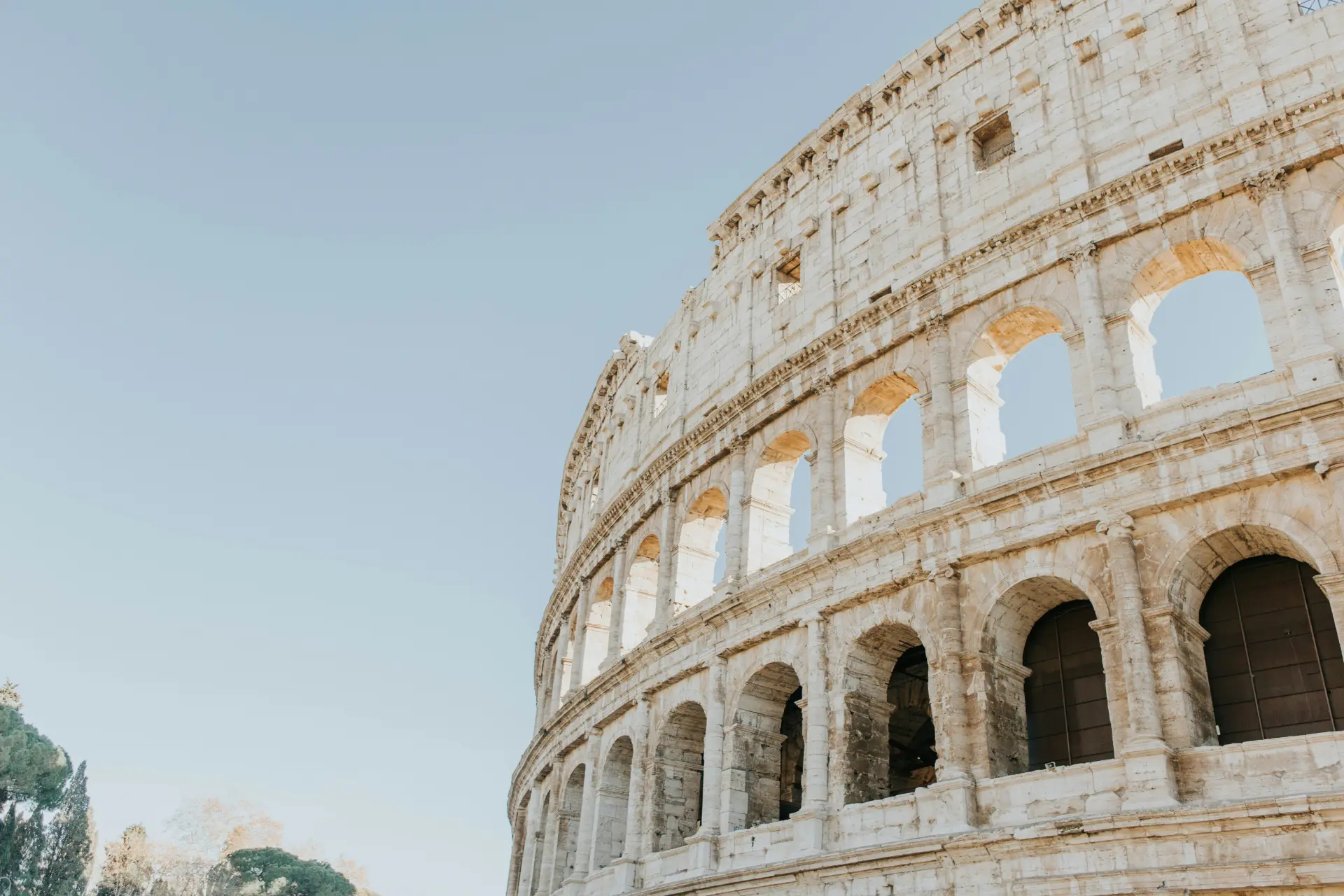
Lisbon is strong for language and sustainability briefs, with specific neighbourhoods like Belém and Príncipe Real offering the most focused experiences. Paris and Rome work best for educational briefs when they are anchored by interactive workshops rather than sightseeing alone. For those seeking alternatives, underrated picks like Ljubljana, Porto, and Leipzig are worth evaluating for their programmatic potential and, depending on dates, available capacity.
What to require from your ground partner before you quote
This is the checklist to run against whichever ground partner is executing your programme, before you quote it back to the school. First, ask every workshop provider for a written learning outcome, not just a descriptive overview of the session. Secondly, request coach compliance documents and driver hours upfront, well before the trip begins. Thirdly, aim to lock in accommodation early for peak travel weeks, with the definitive rooming list following the hotel's own deadline.
It is also advisable to build some flex into the itinerary; buyers increasingly expect contingency for unforeseen events like adverse weather or strikes. Finally, confirm which suppliers can issue certificates or portfolios that students can take home, providing that tangible proof of learning that is now so highly valued.
Before you send the next quote, check whether your ground partner already holds this documentation and calendar pack — or whether you'll be assembling it yourselves, RFP by RFP.
Frequently asked questions
What do educational travel buyers look for first, before they even read the itinerary?
Documentation. Public liability cover, per-activity risk assessments, a written emergency contact protocol and coach compliance evidence are increasingly checked at the proposal stage, not after a booking is confirmed — an operator who cannot produce this promptly may be ruled out before the itinerary is even reviewed.
How far ahead should coach and hotel capacity be locked for a spring school trip?
As early as possible. Compliant coaches in high-demand cities tend to be among the first components to tighten, and hotel blocks in destinations like Berlin are agreed hotel by hotel, with rates tending to firm up the closer the booking sits to the travel dates. Lead times vary by supplier, destination and season.
What counts as "proof of learning" in a modern itinerary?
Something a student can show afterwards — a workshop output, a certificate, a recording or a piece of written work — rather than a description of sites visited. Many buyers now expect hands-on sessions to be built into the itinerary rather than added as an afterthought.
Which destinations fit educational buyers' briefs best?
Berlin and Switzerland are strong for history-with-evidence and STEM proof-of-learning briefs respectively; Paris and Rome work best when anchored by interactive workshops, while Ljubljana, Porto and Leipzig are worth evaluating as alternatives.
Quoting an educational programme for a school or institution?
Send us the group size, dates and learning brief and we can come back with what the documentation pack needs to cover, which of the anchor sites and workshops fit your buyer's criteria, and what to lock first. See how we operate educational groups, or send us the brief and request a proposal.
For buyers reselling under their own brand, that expectation curve keeps pointing the same direction: toward a white-label DMC partnership that can take on part of the operational load without appearing in the client-facing paperwork.