


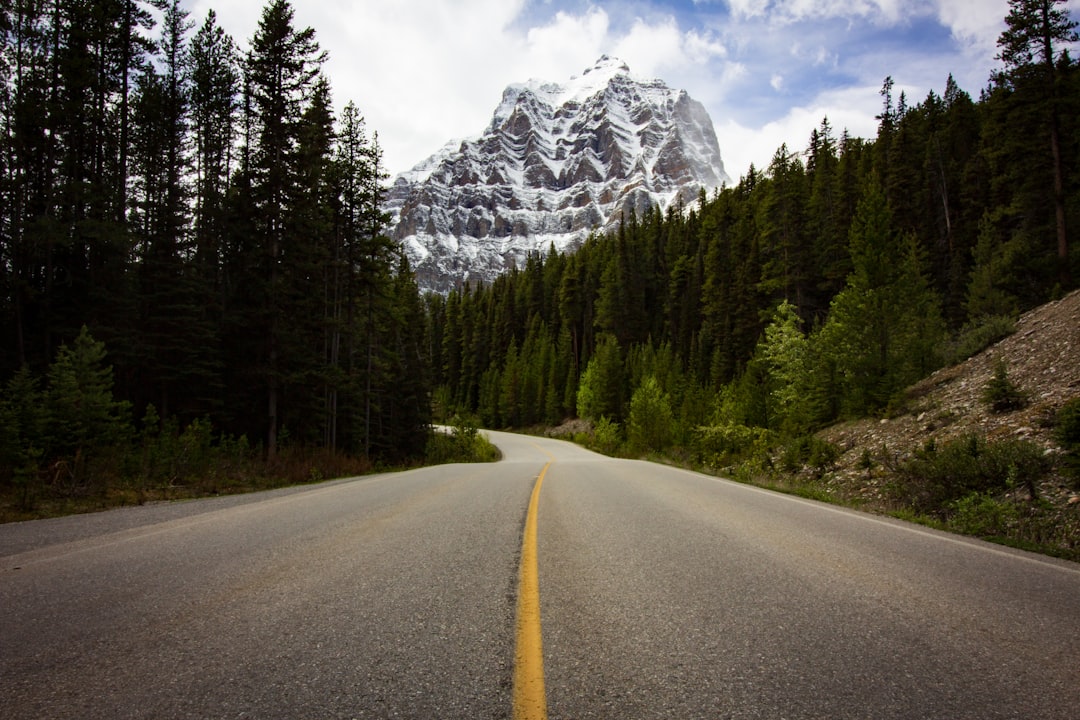
Why 'scenic' is an operational decision, not a marketing one
A scenic routing choice made in the sales brochure becomes a compliance and scheduling problem 18 months later in the operations brief. When an operator contracts a coach itinerary through a DMC, the temptation to layer in a picturesque detour—the Stelvio Pass instead of the motorway, a fjord ferry instead of a bridge crossing—feels like added value. But EU Regulation 561/2006 does not care about the postcard quality of the route. Coaches may be driven for a maximum of 9 hours daily, with a mandatory 45-minute break after 4.5 hours of driving. Scenic routes typically add 30–90 minutes to journey time versus the motorway equivalent. That eats into the driver-hours budget and cascades: dinner reservations shift, hotel arrival windows narrow, and a single mountain pass detour can force an unplanned overnight that neither the operator nor the accommodation supplier budgeted for.
The difference between a retail travel operator (who absorbs delays into vague 'approximate arrival' language) and a contracted B2B itinerary is precision. Groups operating here typically arrive at a specific hotel at a specific time, with meals booked, guides waiting, and coach departure slots locked with ferries or mountain-pass authorities. A scenic routing that works in fantasy often does not work under contract. The distinction between custom travel and operationally viable travel hinges on this: the scenic route must be engineered to fit within real constraints—driver fatigue, fuel budgets, border crossing delays, permit lead times—before the quote is even sent.
Cross-border permits, emission zones and the paperwork operators don't see
A coach crossing from Germany into Austria into Switzerland into Italy encounters five separate regulatory regimes in four days. Each adds cost, complexity and lead time that a retail itinerary glosses over.
Coaches over 3.5 tonnes require: Swiss heavy vehicle charge (LSVA) stickers, purchased per transit or purchased as a multi-year permit; Austrian GO-Box electronic tolling, obtained at any GO point of sale on entry or pre-ordered online against the coach's registration plate; German Umweltzone emission stickers (mandatory in Frankfurt, Stuttgart, Munich and surrounding zones); Italian ZTL (zona traffico limitato) exemptions for historic centres in Florence, Bologna, Siena, Venice, where coaches are often banned entirely and groups must transfer to minibus or walk 15–30 minutes from the drop-off point; and—for non-EU registered coaches, notably UK operators post-Brexit—compliance with bilateral cabotage rules that restrict non-resident coaches to specific corridor routes and may require subcontracting to a licensed local operator in Norway or Sweden.
Each permit has its own lead time. Swiss and Austrian permits are tied to the specific coach registration number and are settled before departure, not at the border. Emission stickers can be obtained online but require proof of the coach's Euro emission standard (typically Euro 5 or 6). ZTL exemptions in Italy demand advance notification to municipal authorities, sometimes 10–15 business days ahead. For operators working with their own coach suppliers, this paperwork falls between operator and coach company; for those contracting through a DMC, clarity on who holds these registrations and pays the fees must be explicit in the service contract, or costs spiral and departures slip.
The classic scenic routes—and what each demands of the operation
Naming the routes makes the constraints visible. The Romantic Road (Würzburg to Füssen in Bavaria), at approximately 460 kilometres, is operationally a two-day driving itinerary, not a one-day dash with a photo stop. Realistic pacing includes photo stops in Rothenburg ob der Tauber and Füssen, rest breaks, driver changes or rest periods, and a night in an intermediate town. Operators quoting it as a one-day scenic leg underestimate driving time and create pressure that shows on passenger experience and driver compliance.
The Amalfi Coast's famous SS163 Amalfitana bans coaches over 10.5 metres during peak season (June–September) entirely. Full-size 49-seat or 53-seat coaches must either be driven by a specialist driver familiar with the hairpin descents (an additional fee; not all coach companies permit this) or the group must be split and transferred to minibus. Neither is costless or seamless. Operators planning groups to Positano or Ravello in summer must budget for split-group logistics or accept a longer routing via inland roads.
Norway's Atlantic Road and Trollstigen routes close roughly mid-October through mid-May. Geiranger ferry slots (Hellesylt–Geiranger, a scenic highlight for many Scandinavia itineraries) must be booked well ahead of the peak season; coach-deck capacity is limited and high-demand weeks (particularly school holidays and the midnight sun season) sell out entirely. The 49-seat coach shortage affecting UK groups heading to Glasgow 2026 is a similar bottleneck: compliant coach fleets have finite capacity, and scenic routes that require smaller vehicles (or split-group minibus transfers) compete for limited supply.
Scotland's NC500 and Glencoe roads present narrowness constraints and no emission-zone complexity, but summer coach traffic (June–August) creates queues and unpredictable delays on single-track sections. French Alpine routes—Col du Galibier, Col de l'Iseran—open reliably only from late June and can remain snow-blocked into early July, making May departures risky for high-altitude scenic legs. Greek island transfers via ferry (Patras–Igoumenitsa, Piraeus routes) shift considerably in shoulder season (April–May, October) when coach-on-ferry schedules thin and overnight sailings become necessary, adding a night to the itinerary.
Ferries, mountain passes and the seasonality operators contract around
Scenic routing is not a year-round product. Alpine passes (Stelvio, Grossglockner, Gotthard, Furka) have fixed seasonal windows—typically early June through late October—beyond which snow and rockfall closures are routine. Operators planning May departures cannot reliably use Stelvio or Grossglockner as itinerary anchors; they must build in alternative routing or accept a 'weather permitting' clause that shifts groups to motorway alternatives if passes close. This is operationally messy: groups book expecting Alpine scenery and receive a motorway drive instead, leading to dissatisfaction and, sometimes, refund disputes.
Fjord ferry crossings in Norway and Iceland have their own bottleneck. Hellesylt–Geiranger and other coach-deck ferries in the May–September peak cannot accommodate all demand and capacity for larger vehicles is limited, and our experience operating in Scandinavia confirms that operators booking scenic Fjord itineraries for July without ferry slots locked the previous year routinely face cancellation or rerouting. Iceland's Ring Road F-road sections (F-grade tracks requiring four-wheel drive) exclude full-size coaches year-round; operators quoting the Ring Road must use minibus or accept the slower, longer main-road alternative.
The pacing principle here: scenic driving days should be front-loaded in Week 1 of a multi-week itinerary, not Week 3. By Week 3, driver hours for the fortnight are tighter, fuel-budget margins are consumed, and unexpected delays (roadworks, weather, livestock on passes) have nowhere to absorb. A scenic leg that works in isolation may be operationally infeasible when nested in the tail of a longer programme.
Fuel, contingency and what operating since 2007 has taught us to build in
Diesel volatility—observed at 15–25% swings across 2022–2024—means that scenic routing (which uses more fuel than motorway equivalents due to slower average speeds and altitude gains) must have a contractual fuel-surcharge clause. Operators quoting fixed fuel costs on scenic itineraries either absorb the price risk themselves or build in a buffer so high that the itinerary becomes uncompetitive. BRACAP's standard contract language permits fuel-cost adjustment if diesel moves beyond a specified band; this protects both operator and DMC from margin erosion mid-contract.
Scenic driving days need a built-in 90-minute contingency float per day. This accounts for roadworks (common in Alpine passes in summer, when maintenance windows narrow), livestock on open roads (particularly in Greece, Switzerland, and mountain regions), weather-related slowdowns, and unscheduled passenger comfort stops. Operators who quote itineraries without this float will face schedule pressure and driver-hours breaches.
Backup motorway routing must be pre-cleared and mapped before departure, with drivers briefed in advance. If Stelvio closes mid-itinerary, a coach should be able to divert to the Brenner Pass without operational chaos. This requires: confirmation with the coach supplier that they know the alternative route; communication to the group about the change (a scenic day becomes a motorway day); and, if accommodation was booked specifically for Stelvio-side villages, rebooking or cancellation management.
Driver accommodation on scenic overnights in small mountain villages or fjord towns often fails to meet EU requirements: coaches need to be parked securely (not all villages have secure coach parks), drivers need separate rooms (many small hotels assume group rooms or bunking), and 11-hour rest periods require hotels open late enough to receive a coach arriving at 19:00 or later. Operators must vet overnight destinations in advance, not assume that 'picturesque village' equals 'equipped for international coach groups.'
For school groups, safeguarding adds another layer: scenic-route comfort stops should be scheduled at identified, supervised facilities (service stations with staff on site), not ad-hoc roadside stops. Two-driver rules on legs exceeding 9 hours are standard in BRACAP itineraries for schools, and both drivers need documented rest periods and private accommodation.
What operators should specify in the brief before requesting a quote
Before submitting a scenic-route itinerary to a DMC for costing, operators should be explicit on five points:
- Group size and coach class. A 49-seat compliant coach (for Glasgow 2026 or emissions-sensitive routes) has different fuel costs and routing constraints than a 53-seat standard coach. Double-deckers are excluded from most Alpine passes and narrow UK highland roads.
- Non-negotiable photo stops versus flexible scenic legs. A client group insisting on Stelvio Pass (not negotiable) requires a different itinerary architecture than one willing to swap Col du Galibier for Gotthard if weather dictates. Be explicit about which scenic elements are contractually binding and which are 'weather and road conditions permitting.'
- Departure month. This is the single constraint that kills or enables scenic routing. May departures to Alpine routes are inherently risky; July departures are feasible; October departures often work but ferries and passes thin. Operators must name the month before a quote is reliable.
- Driver nationality and base. A UK-registered coach operating in Scandinavia may be subject to cabotage restrictions that require local subcontracting. An Austrian coach has GO-Box and emission compliance built in; a UK coach requires separate permit costs. The brief should name the coach supplier's home country.
- Permit and ferry booking responsibility. Does the operator want BRACAP to hold Swiss LSVA, Austrian GO-Box, and Norwegian ferry bookings and invoice them to the operator? Or will the operator's existing coach supplier manage their own permits and slots? Ambiguity here leads to double-bookings, missed lead times, and cost disputes mid-contract.
Multi-country coach routing for senior travel groups follows the same operational logic: pacing, driver hours, seasonal pass openings, and permit lead times govern feasibility before the itinerary is sold. The complexity is identical whether the group is school pupils, senior travellers, or mixed-age groups.
Operators should submit scenic-route briefs to BRACAP the year before May–September departures, when pass openings and ferry coach-deck slots dictate the entire itinerary architecture. Late submissions, within the same season, risk quoting on contingency clauses so broad that the itinerary becomes unmarketable, or missing booking windows entirely. Contact our team via /contact with a detailed scenic-route brief, and we will scope feasibility, permit lead times, and revised costing before you commit to client pricing.


