


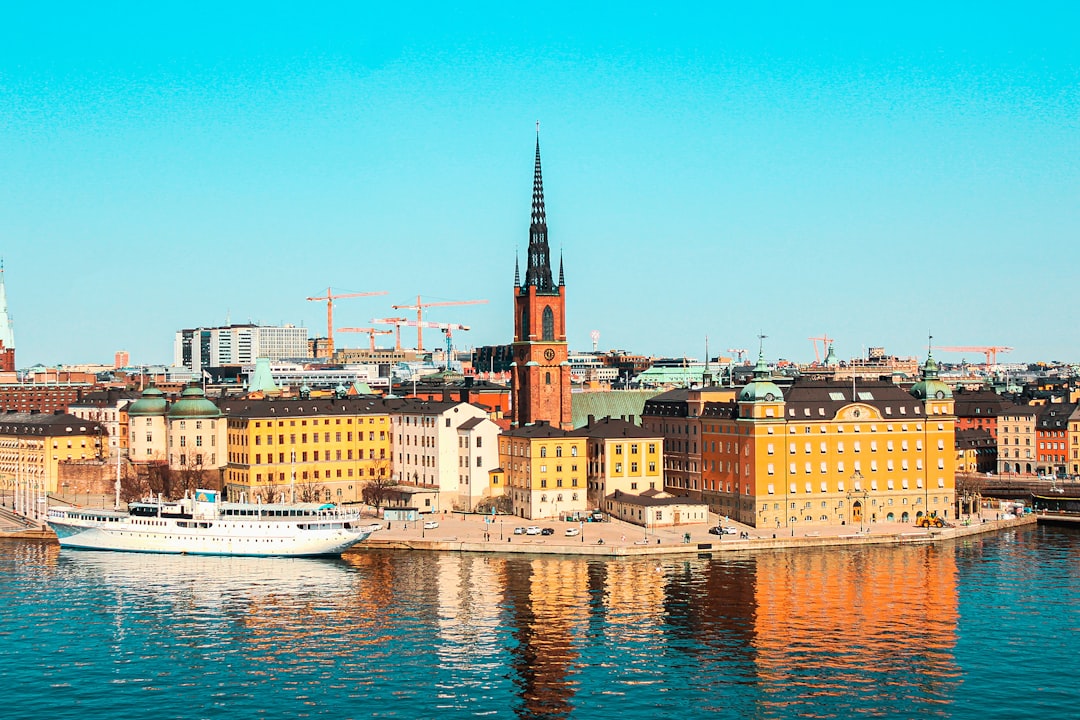
Decide which slice of Sweden you're actually visiting
Sweden, the largest Nordic country by area, offers a breadth of experiences that can overwhelm if you attempt to see everything in a single trip. Instead, focusing on its cultural core via a week-long train loop between Stockholm, Gothenburg, and Malmö provides a rich understanding without the need for a rental car. The key planning decisions revolve around timing your visit, securing your SJ train tickets, and selecting which cities to spend your overnights in.
Sweden's geography spans a considerable distance, from 55°N to 69°N, covering 450,295 km². Attempting to traverse this entire length in a single week is ambitious, particularly without a car. For most independent travellers, the focus should remain on the country's southern half, where 88% of the population resides in urban areas.
The southern triangle formed by Stockholm, Gothenburg, and Malmö represents Sweden’s cultural and economic heart. This region is easily navigable by train and offers distinct experiences. You can explore the historic charm of Stockholm's Gamla Stan and its extensive archipelago, discover Gothenburg's west coast islands and maritime heritage, or experience the flat farmlands and Danish proximity of Skåne from Malmö.
If your interest lies in Lapland or experiencing the Arctic Circle, plan a dedicated trip of at least a week solely for the north, including destinations like Kiruna. Integrating it into a southern tour would mean excessive travel time and cost, diminishing the experience of both regions.
Pick the right month — and book the SJ window
Timing your visit to Sweden significantly impacts both your experience and budget. Late May to early July offers long daylight hours, often exceeding 17, with lilacs typically in bloom. This period also precedes peak travel pricing, making it a favourable window for both weather and cost. August can bring the warmest swimming temperatures, but many Swedes are on holiday, which can mean busier attractions and tighter accommodation availability. We recommend avoiding mid-July, specifically 'industrivecka', when Stockholm can feel half-shuts as many businesses close.
The Swedish national railway, SJ, typically releases discounted long-distance train tickets around 90 days before travel. For example, a Stockholm–Gothenburg journey might cost around 295 SEK if booked early, but can easily climb to over 800 SEK for last-minute purchases. Factor this booking window into your plans to manage costs effectively. You'll find more on timing your European travels and securing early bird discounts in our guide to Europe's best May–July trips. Be aware that Midsummer weekend, usually the third Friday of June, sees many shops and restaurants close, particularly outside major city centres, as celebrations move to parks and homes.
Build the 7-day train route: Stockholm → Gothenburg → Malmö
This suggested itinerary focuses on maximising your time in Sweden's three main southern cities by train:
- Days 1–3: Stockholm. Dedicate your initial days to the capital. Explore Gamla Stan, the atmospheric old town, and visit the Vasa Museum (admission around 200 SEK), home to a remarkably preserved 17th-century warship. A ferry trip to Vaxholm in the Stockholm archipelago, costing approximately 95 SEK return, offers a glimpse into island life.
- Day 4: Stockholm to Gothenburg. Take an SJ X2000 high-speed train, a journey of approximately 3 hours 20 minutes. If possible, book a seat on the right side of the train for potential glimpses of the coastline as you head west.
- Days 4–5: Gothenburg. Upon arrival, settle into Gothenburg. Explore the charming Haga district, known for its wooden houses and cafés. Visit Feskekôrka, the 'Fish Church' market, for seafood. Consider a day trip to the picturesque island town of Marstrand, easily accessible by public transport from the city centre.
- Day 6: Gothenburg to Malmö. Board an Öresundståg train for the approximately 2 hour 40 minute journey south to Malmö.
- Day 7: Malmö. Spend your final day in Malmö. Explore the modern Västra Hamnen district, home to Santiago Calatrava's distinctive Turning Torso skyscraper. If your return flight departs from Copenhagen Airport (CPH), you have the convenient option of a 35-minute train hop across the Öresund Bridge directly to the airport.
What a week actually costs
Sweden is known for its high cost of living, and budgeting accordingly is essential. Here's what you can expect for a mid-range independent trip:
- Accommodation: A mid-range hotel in central Stockholm will likely cost between 1,400–1,900 SEK per night. In Gothenburg and Malmö, prices are slightly lower, typically ranging from 1,100–1,500 SEK per night.
- Food: For lunch, look for the 'dagens rätt' (daily special), which often includes a main course, salad, bread, and coffee, priced around 115–150 SEK. Dinner mains in a casual restaurant usually run between 220–320 SEK. To manage costs, consider purchasing alcohol from Systembolaget, the state-run liquor store, as restaurant prices for beer can be 75–95 SEK a pint.
- Transport: Your SJ rail budget for the entire loop (Stockholm–Gothenburg–Malmö) should be approximately 1,200 SEK if tickets are booked 60–90 days in advance.
Excluding flights, a realistic weekly all-in estimate for a mid-range trip, covering accommodation, food, and intercity transport, is between 12,000–15,000 SEK per person.
Getting around without a car
Navigating Sweden without a rental car is straightforward and often preferred for urban exploration. The national train operator, SJ, handles most intercity routes, while Öresundståg connects cities in the south, including the link to Copenhagen.
For local transport, you'll rely on regional operators. In the Stockholm region, the SL travel card is your best option, costing 175 SEK for 24 hours or 430 SEK for 72 hours. This covers the metro, buses, and commuter ferries, including those to parts of the archipelago. An alternative to SJ for the Stockholm–Gothenburg route is MTRX, a private competitor that can sometimes offer cheaper tickets, particularly if SJ prices have spiked.
In Gothenburg, Västtrafik manages public transport, and a day ticket (approximately 75 SEK) covers trams and buses within the city. For trips into the archipelago, like to Marstrand, Västtrafik also operates the connecting services. If train tickets become prohibitively expensive for any leg, Flixbus offers a budget backup option, though journeys will take longer. Archipelago day trips from Stockholm are often best managed with Waxholmsbolaget ferries, which depart from Strömkajen and are also covered by some SL passes for inner-city routes.
Efficient public transport is a hallmark of many European cities, and planning your movements within them can significantly enhance your experience, much like exploring smaller European cities at a slower pace.
What to plan before you fly
Effective pre-trip planning ensures a smoother experience in Sweden:
- Train Tickets: Book your SJ tickets 60–90 days out via sj.se. The website offers an English version, making the process straightforward.
- Museums: In summer, it is wise to reserve your Vasa Museum slot online in advance to bypass potential queues.
- Accommodation: Stockholm hotels, particularly in popular districts like Norrmalm or Södermalm, can sell out quickly for June weekends. Secure your bookings early.
- Payment: Sweden operates largely on a card-only economy. Bring a no-foreign-exchange-fee Visa or Mastercard. There is little need to exchange currency for cash.
- Apps: Download the SL (Stockholm), Västtrafik (Gothenburg region), and Skånetrafiken (Malmö region) apps to easily purchase and manage local transport tickets.
Preparing these elements in advance can make all the difference, much like the comprehensive planning we recommend for independent travel in Austria.
To make the most of a car-free week in Sweden, aim for the first two weeks of June to enjoy long daylight and pre-peak prices. Base yourself in Södermalm for Stockholm for its character and ease of access, and consider the Haga district in Gothenburg for its charm. Crucially, book your SJ tickets the day they become available, around 90 days before your travel dates.


