
















Why a DMC's job is reputational, not just logistical
When a tour operator sells a BRACAP programme to their end client, BRACAP's name never appears in the contract, the invoice, or the client's welcome pack. But every operational failure lands directly on the operator's review score.
This is the white-label reality of the DMC partnership. The operator sits between BRACAP and the traveller. A missed transfer, an unbriefed guide, a restaurant cancellation on the day — these don't damage BRACAP's reputation. They damage yours. The three failure modes that cut deepest: missed timings (clients arrive at an attraction to find it closed or the bus gone), supplier no-shows (a guide doesn't arrive, a coach breaks down), and communication gaps (the operator's client knows about a change before the operator does).
This is different from a B2C agency relationship where a traveller might forgive an isolated mistake. Group travel operates on tighter margins. One client's poor experience becomes word-of-mouth ammunition for your next sales pitch. That's why we treat operational discipline as the foundation of your brand protection, not as an optional add-on.
How we vet and contract suppliers before your client ever boards a coach
Most reputational risk is prevented before the trip starts. We choose suppliers for their record with groups across peak and shoulder seasons, before an operator's clients are placed in their hands.
Compliance is the starting point: licensed guides with verifiable language credentials, insured coaches with current roadworthiness certification, and compliant 49-seat fleets in the core cities (this matters more than it sounds — Glasgow 2026 already shows how capacity constraints force early contracting). Where the destination allows it, we identify alternative suppliers, so that if a primary vendor cancels, the operator is not left choosing between a refund and an inferior substitute.
We contract with the operator's exposure in mind. For high-demand windows such as the harvest in Bordeaux or summer school holidays in the Alps, contracting starts early. Responsibilities for late supplier cancellations are agreed with each operator before contracting, so both sides know in advance how a disruption would be handled.
Building contingency into the itinerary
We don't plan for best-case scenarios. Transfer timings are based on realistic drive times, so a fuel stop, a traffic delay or a border queue doesn't leave the group arriving flustered.
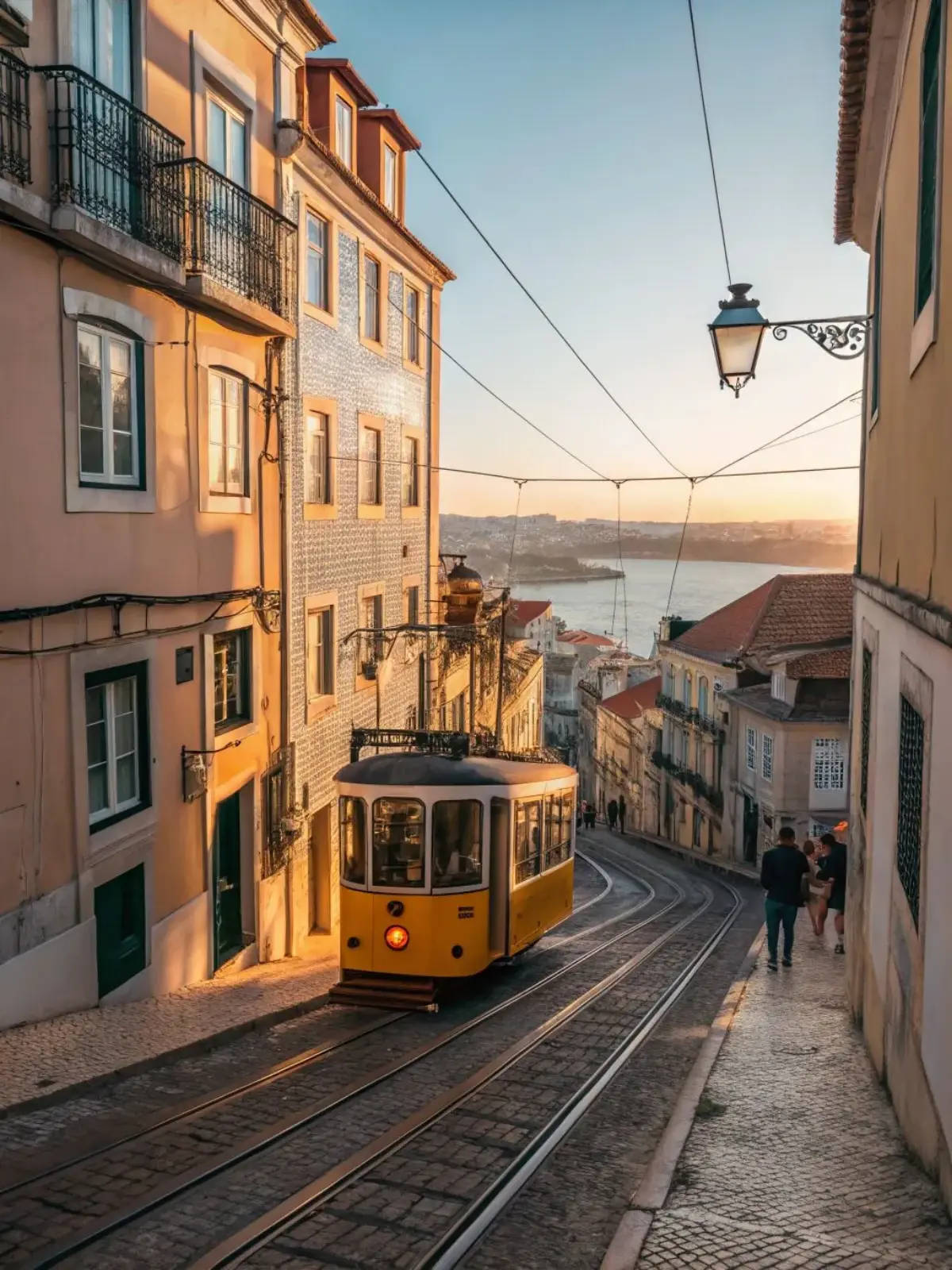
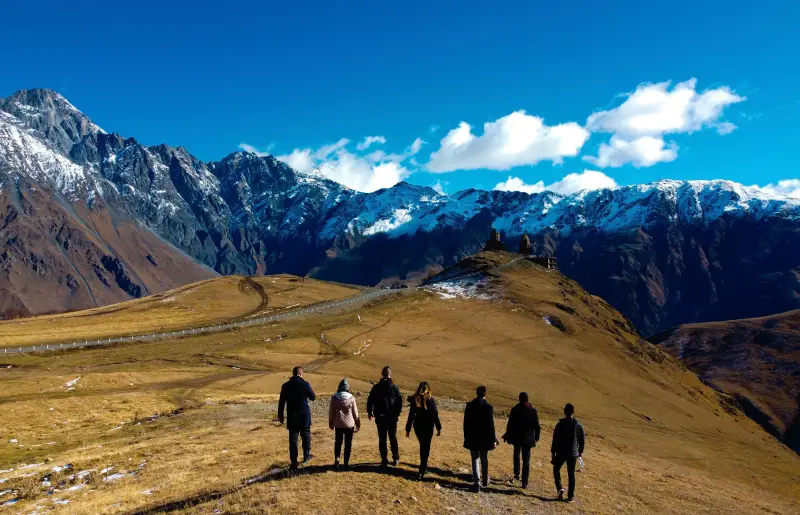
Outdoor sites — national parks, alpine routes, coastal Portugal — are planned with a weather alternative in mind. If a mountain pass closes due to snow, the question is which secondary route and parking are workable. If a coastal walk is cancelled due to wind, the plan looks for an indoor option such as a museum visit, subject to availability. For larger groups, a second restaurant option can be lined up where the destination allows it.
Each operator account has a named contact for the travel dates. When something deviates, our aim is to tell you as soon as we know, so you are not hearing it first from your client. Plan B is thought through for the disruptions that recur in group travel: ferry cancellations (rail alternatives), rail strikes (coach routing), museum closures (backup sites on the same day) and permit delays. The difference between custom travel and operationally viable travel is precisely this: we tell you upfront what is confirmed and what depends on conditions outside anyone's control, and your reputation is built on the former.
What happens when something does go wrong
Despite planning, disruptions happen. A coach breaks down. A guide falls ill. A restaurant double-books. What matters is that your client doesn't find out from someone else.
We identify the problem, propose a solution, and give you the choice of how to communicate it to your travellers. When something changes on the ground, our local team coordinates the response: putting Plan B in place and looking after the group's experience while it happens.
Afterwards, the incident is documented — what happened and how responsibilities apply under the terms agreed for your programme — and reviewed with you, so a failure leads to a change in how we work, not excuses.
How we communicate with operators (and why that's the real product)
Reputation protection is largely about information flow, not heroics. Each operator account has a single named point of contact, with regular updates during the contracting phase and closer follow-up around operating dates. Shared documentation — rooming lists, dietary requirements, group manifests — is kept in one current version so you always know what BRACAP is working from.
We flag risks early: capacity tightening in a region, pricing moves around peak events, seasonal closures of mountain routes. Communication with operators is handled directly by our team, so changes don't stall waiting for a translation.
This is where understanding the European tourism landscape matters for group programmes. Pricing, availability, and regulatory changes move at different speeds in different regions. We flag the dates in your plan that may need rethinking.
What this means for operators choosing a European DMC
When you evaluate a DMC partner, ask the questions that separate discipline from luck:
- Ask how they would replace a coach or a restaurant at short notice in a specific city on your programme. 'We have a network' is not an answer.
- Ask for the escalation chain in writing. Who do you call at midnight on a Tuesday if a coach breaks down? Get a phone number, not a 'we'll sort it'.
- Ask how long their guides have been working with them. If the people who know your programme change every season, that's a red flag.
- Ask what their last incident was and how it was resolved. If they say 'we don't have incidents', they're either dishonest or they've never scaled.
Next steps
If you're planning European group programmes for next season, send us your dates and destinations and we'll walk you through how we'd approach them: which suppliers, which backups and who to call if something changes. Get in touch.